
If you’re considering new flooring options, engineered timber is a great choice. It’s a champ in moisture resistance, making it perfect for damp areas like kitchens and bathrooms. You’ll find it’s a breeze to Install, with the floating floor option requiring no nails or glue. Plus, it comes in an array of styles to match your aesthetic preference. It’s an eco-friendly choice, requiring less timber than traditional hardwood. On top of all this, it works beautifully with radiant heating systems. Dive deeper into this topic, and you’ll discover the full spectrum of benefits and choices this flooring type offers.
ADVANTAGES OF ENGINEERED TIMBER FLOORING
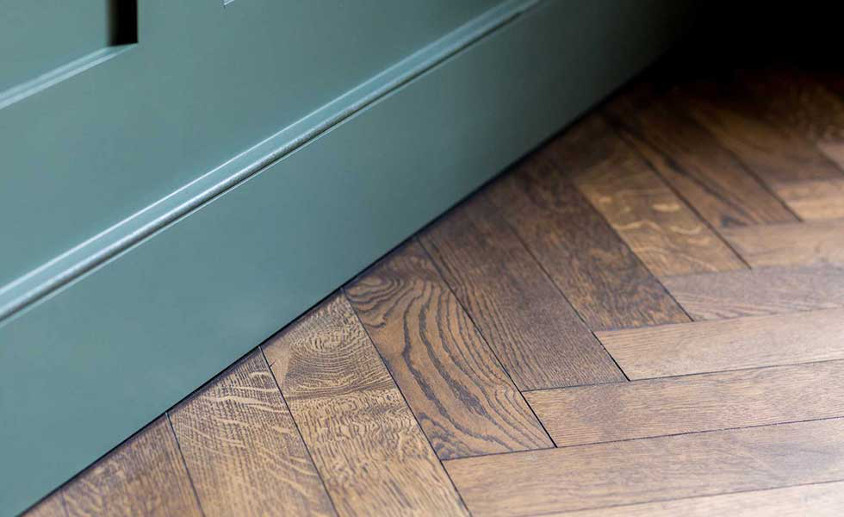
The allure of engineered timber flooring lies not just in its aesthetic appeal, but also in its plethora of advantages. Its resistance to moisture, for instance, makes it a standout choice for areas prone to wetness, such as kitchens and bathrooms. Unlike traditional hardwood, engineered timber does not warp or cup due to moisture exposure, ensuring its longevity and structural integrity.
Additionally, the installation engineered timber flooring process is relatively straightforward. You can install it as a floating floor, which means no need for nails or glue. This feature allows for a do-it-yourself approach, saving you on installation costs. However, it’s important to remember that a suitable underlay is necessary to prevent moisture absorption, enhancing the floor’s durability.
The aesthetic versatility of engineered timber flooring is another considerable advantage. With multiple layers of hardwood, you have a variety of styles to choose from. You could opt for a European Oak or Select Australian Timber style, with color options including Aged Oak, Mink Grey, and Blackbutt.
Moreover, engineered timber flooring is eco-friendly. The manufacturing process uses less timber compared to solid hardwood, promoting sustainability. This flooring option supports responsible forestry practices, which is a significant step towards environmental conservation.
Lastly, engineered timber flooring is compatible with radiant heating systems. This means you can enjoy the warmth and comfort of a heated floor without worrying about damaging your beautiful timber floor. It’s an ideal choice for those seeking a blend of aesthetics, functionality, and environmental consciousness.
DISADVANTAGES OF ENGINEERED TIMBER FLOORING
While engineered timber flooring offers a multitude of benefits, it’s important to also consider its potential drawbacks. One of the biggest downsides is its cost. While it’s less expensive than solid hardwood, it’s still a significant investment. So, if you’re on a tight budget, this type of flooring might be out of your reach.
Engineered timber flooring also isn’t as durable as solid hardwood. Yes, it can withstand a good amount of wear and tear, but it can’t be refinished as many times. This is due to its top layer being thinner than that of solid hardwood. Over time, heavy foot traffic or accidental damage can wear down this layer, and you might find yourself replacing sections of your floor sooner than expected.
Another potential disadvantage is its susceptibility to water damage. While engineered timber is more resistant to moisture than solid hardwood, it’s still not immune. Prolonged exposure to water can cause the layers of the flooring to warp or buckle, and if this happens, replacement is often the only solution.
Lastly, while the variety of styles and finishes available is a plus, it can also be seen as a drawback. With so many options on the market, making a decision can be overwhelming. You’ll need to carefully consider your home’s decor and your personal style before making a choice.
TYPES OF ENGINEERED TIMBER FLOORING
Diving into the world of engineered timber flooring, you’ll encounter a myriad of options. Each type of flooring is uniquely crafted to suit different interior styles and personal preferences. So, let’s explore the common types so you can make an informed decision.
Firstly, there’s the multi-layer flooring. This is the most common type, constructed with multiple layers of thin wood. Each layer is glued together, enhancing the flooring’s strength and stability. It’s widely chosen for its resilience and versatility.
Then, we have the three-layer flooring. It’s designed with a hardwood top layer, a softwood middle layer, and a veneer bottom layer. This type offers a balance between quality and cost-effectiveness, making it a popular choice among homeowners.
Next up, we’ve got the veneer flooring. Unlike the others, this one has a thin layer of hardwood on top, then composed of high-density fiberboard underneath. If you’re budget-conscious but still want the aesthetic appeal of timber, this could be your go-to option.
Conclusion
To sum up, engineered timber flooring is a fantastic choice for any home. It’s not only beautiful and versatile, but durable, easy to install, and eco-friendly. Despite a few drawbacks, its benefits certainly outweigh them. And with a variety of styles available, you’re sure to find something that fits your home’s aesthetic. So why not give engineered timber flooring a shot? You might just find it’s the flooring solution you’ve been searching for.